Plumbing Myths That Cost Homeowners Money
When it comes to home maintenance, plumbing often gets overlooked—until something goes wrong. Unfortunately, many homeowners rely on outdated or incorrect information that can lead to costly repairs down the road. Here are some of the most common plumbing myths that could be draining your wallet:
Myth #1: "Flushable" wipes are safe for toilets.
Despite the label, most flushable wipes don't break down like toilet paper. Over time, they can clog your pipes and even damage your home's sewer system. Stick to toilet paper only—your plumbing will thank you. If you're still looking for that "clean" feeling, consider having a bidet installed on your toilet.
Myth #2: If water is draining, there's no clog.
Truth is, partial clogs can still let water through—but slower drainage, gurgling sounds, or bad smells are signs something's brewing in your pipes. Don't wait for a full backup to act. If you're suspicious of a partial clog, avoid harsh chemical drain cleaners to clear it. Although they may remedy the problem temporarily, over time, they'll break down the interior of the pipes. Instead, try baking soda, vinegar, and hot water, or contact a professional to take a look.
Myth #3: Running hot water down the drain makes "everything" go down.
Running water helps to an extent, but it won't prevent clogs if you're putting the wrong things down the drain. Avoid fibrous veggies (like celery), grease, or coffee grounds. It may only seem like a little bit here and there, but the buildup adds up quicker than you'd think. Carefully dispose of grease—after it has congealed and cooled down—into a garbage can and natural decomposers into the compost.
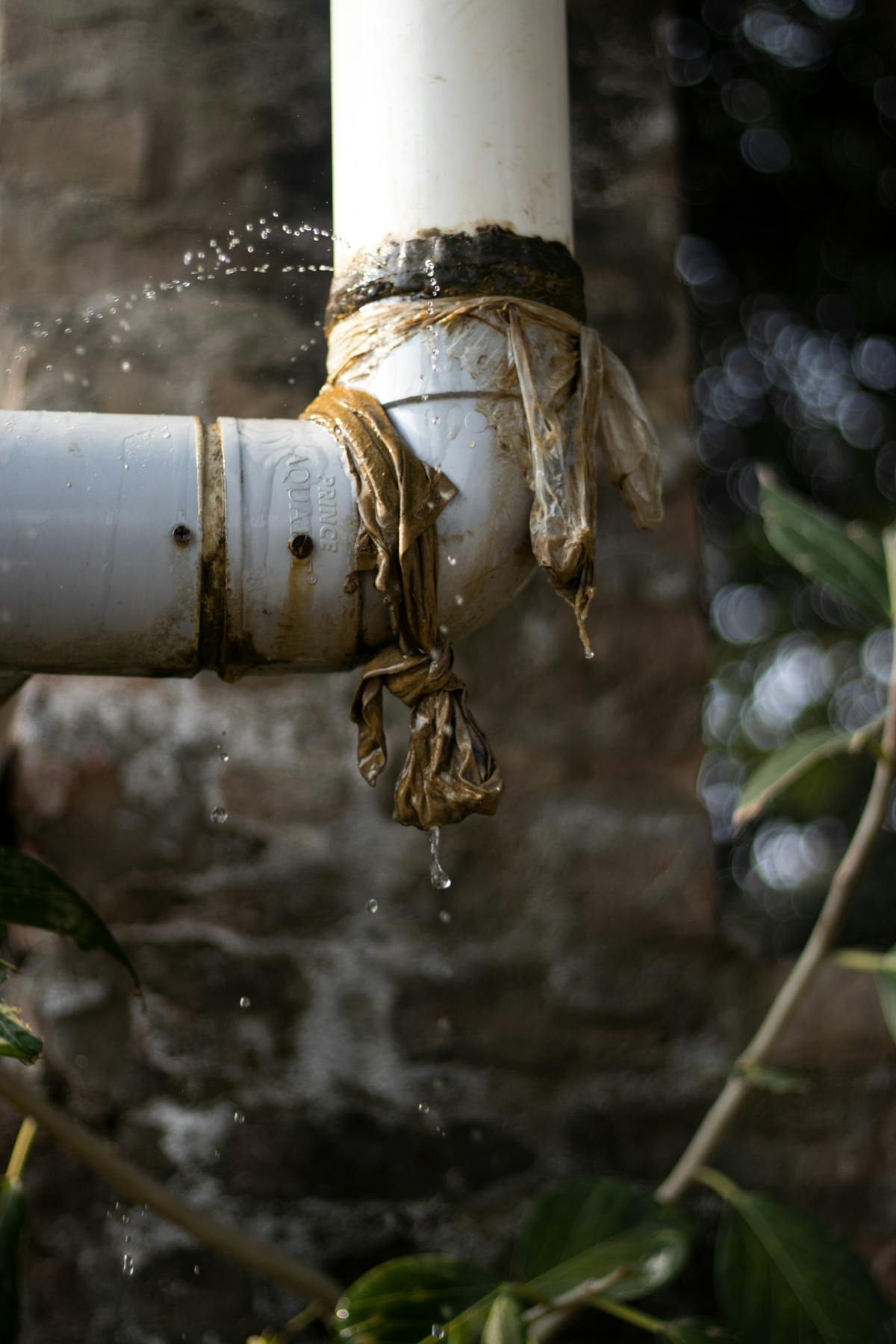
Myth #4: A slow drip isn't a big deal.
Even a small leak can waste gallons of water each day and lead to much bigger problems, like mould or water damage. Don't ignore it—fix it early and save money in the long run. Every drop counts and it could even be increasing your monthly water bill or suggesting a bigger problem is at play.
Plumbing is one of those systems where a little knowledge goes a long way. If you're unsure, it's always better to call a pro than to believe a myth that could cost you big.
Frequently asked
Are "flushable" wipes really safe for my plumbing? Sponsored
No. Despite the label, most "flushable" wipes don't break down like toilet paper. Over time, they can clog your pipes and even damage your home's sewer system. Stick to toilet paper only—your plumbing will thank you. If you want a "clean" feeling, consider having a bidet installed instead.
Bayshore Plumbing
Are flushable wipes actually safe to flush down toilets? Sponsored
Despite the label, most flushable wipes don't break down like toilet paper. Over time, they can clog your pipes and even damage your home's sewer system. It's best to stick to toilet paper only. If you want a cleaner feeling, consider having a bidet installed on your toilet instead.
Bayshore Plumbing
How should I properly dispose of grease from cooking? Sponsored
Never pour grease down the drain as it causes buildup that leads to clogs. Carefully dispose of grease after it has congealed and cooled down by putting it into a garbage can. Use your compost for natural decomposers. The buildup from just small amounts of grease, coffee grounds, and fibrous vegetables adds up quicker than you'd think and can be costly to fix.
Bayshore Plumbing
What should I do if I notice slow drainage? Sponsored
Don't wait for a full backup. Slower drainage, gurgling sounds, or bad smells are signs of a partial clog brewing in your pipes. Avoid harsh chemical drain cleaners as they break down pipe interiors over time. Instead, try baking soda, vinegar, and hot water, or contact a professional plumber. Partial clogs that let water through can still cause big problems if ignored.
Bayshore Plumbing
How much water can a slow drip waste each day? Sponsored
Even a small leak can waste gallons of water each day and lead to bigger problems like mould or water damage. These leaks can significantly increase your monthly water bill or indicate a larger underlying problem. It's important to fix even small drips early to save money in the long run.
Bayshore Plumbing
Why shouldn't I ignore a slow dripping leak? Sponsored
Even a small leak can waste gallons of water each day and lead to much bigger problems like mould or water damage. A slow drip could be increasing your monthly water bill and may indicate a bigger problem. Always fix leaks early to save money in the long run. Every drop counts.
Bayshore Plumbing
What should not be put down kitchen drains? Sponsored
Avoid putting fibrous vegetables like celery, grease, and coffee grounds down the drain. Even small amounts build up quicker than expected. For grease, allow it to congeal and cool, then dispose of it in the garbage can. Natural decomposers should go into compost instead of down the drain.
Bayshore Plumbing