Signs it Might Be Time to Remove a Tree
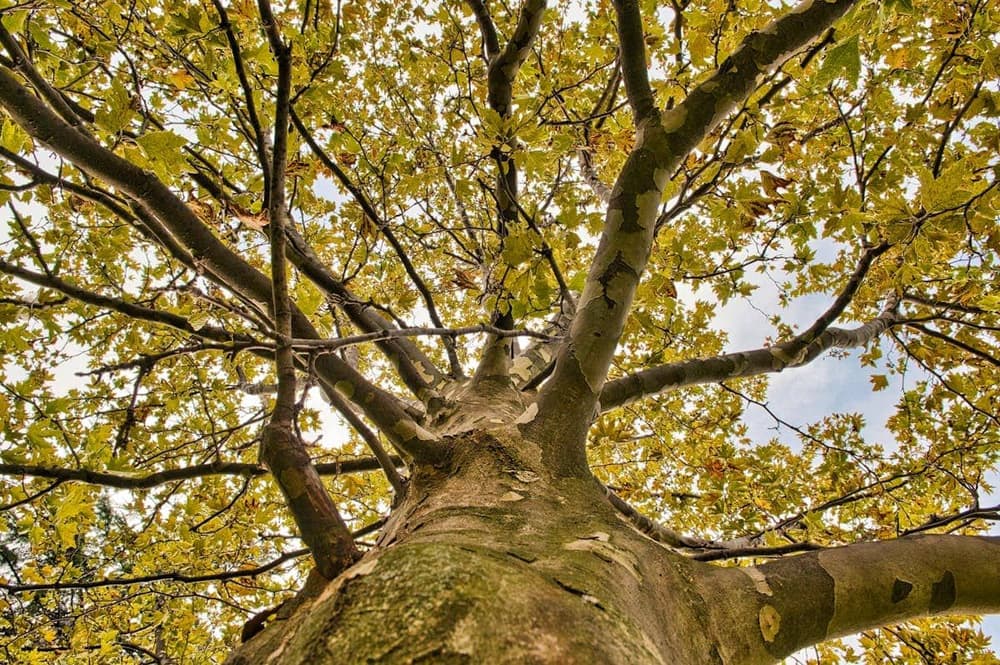
Trees are a valuable part of any yard or landscape, offering shade, beauty, and ecological benefits. However, there are times when removing a tree becomes the safest and best choice. Recognizing the signs early can prevent potential hazards and protect your property.
1. The Tree Shows Signs of Dead or Dying
If a tree has many dead branches, sparse foliage, or doesn't seem to be producing new growth, it could be in poor health. Dead or dying trees are more likely to fall, especially during storms, posing safety risks.
2. Structural Instability
Large cracks in the trunk, a significant lean, or exposed roots are signs the tree may be unstable. Weak or compromised structures can lead to unexpected falls, which could cause damage or injury.
3. Evidence of Pests or Disease
Fungal growth, holes, oozing sap, or pest infestations indicate health problems. If these issues are extensive and treatment isn't effective, removal might be the safest option to prevent the spread to other trees or plants.
4. Branches or Roots Causing Problems
Overhanging branches near your home, power lines, or walkways can be dangerous, especially during storms. Likewise, roots advancing toward foundations, driveways, or underground utilities can cause damage and may require removal.
5. Growing Too Close to Structures or Property Lines
If a tree is growing too close to your house, fences, or neighboring properties, its roots or branches may cause damage or create safety hazards over time. Sometimes, removal is the best way to avoid costly repairs.
6. Multiple Trunks with Cracks
Trees with several trunks that have cracked or started splitting apart are at higher risk of falling. Such structural issues mean the tree might not withstand winds or storms, making removal a wise choice.
7. Signs of Age or Decline
Older trees often show reduced vitality, deadwood, or structural weakness. When a mature tree begins to decline significantly, it can become a safety concern and may need to be removed.
While trees bring many benefits, it's important to prioritize safety. If you notice any of these signs, consulting with a certified arborist is a good step. They can evaluate the situation and advise whether removal is necessary. Acting promptly not only keeps your family and property safe but can also save you money down the road.
Frequently asked
Should I wait to remove a tree or act quickly? Sponsored
Acting promptly is important when you notice warning signs. Trees showing structural problems, disease, or posing safety risks can fail unexpectedly, especially during storms. Quick action protects your family, property, and can save money by preventing costly damage. Consult with a certified arborist as soon as you notice concerning signs.
Tri-County Tree
What are the main signs that a tree needs to be removed? Sponsored
The main signs include dead or dying branches, structural instability with large cracks or lean, evidence of pests or disease like fungal growth, branches or roots causing problems to structures, trees growing too close to properties, multiple trunks with cracks, and signs of age or decline. Any of these indicators suggest consulting a certified arborist for proper evaluation.
Tri-County Tree