Spring Into Plumbing: Preparing Your Home for the Season Ahead
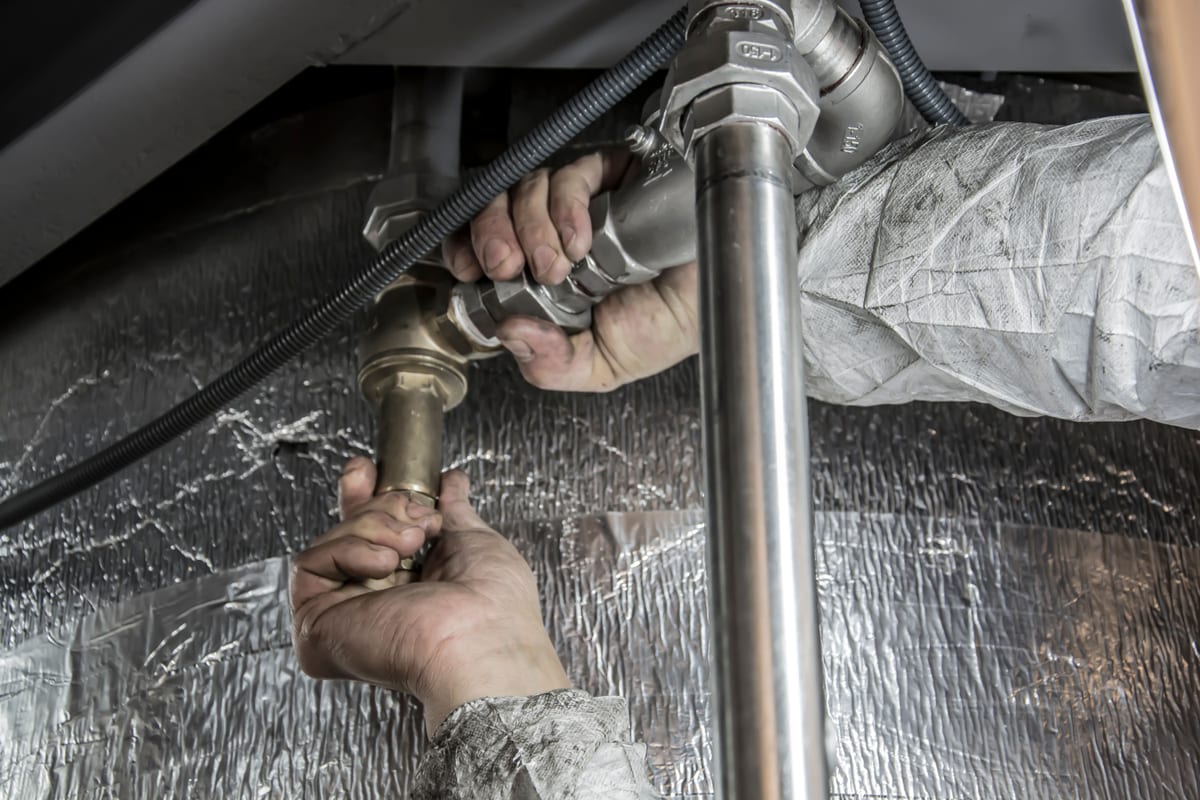
As the snow melts and temperatures begin to rise, spring brings a welcome change but it also presents unique challenges for your home's plumbing system. After months of freezing conditions, your pipes, drains, and fixtures may need a little extra attention to ensure everything is running smoothly.
One of the most common spring plumbing concerns is damage caused by winter freezing. Even if your pipes didn't burst, small cracks or weakened joints can go unnoticed until the thaw. Homeowners should take the time to inspect exposed pipes in basements, crawl spaces, and utility areas for signs of leaks, corrosion, or moisture. Catching these issues early can prevent costly water damage down the road.
Spring is also the perfect time to check outdoor plumbing. Hose bibs and exterior faucets are particularly vulnerable to winter damage. Turn them on slowly and watch for leaks both outside and inside your home. If you notice reduced water pressure or dripping, it may be a sign of a cracked pipe behind the wall.
Another seasonal concern is drainage. As the ground thaws and spring rains arrive, your home's drainage system works overtime. Ensure your sump pump is functioning properly by testing it before heavy rainfall hits. A failed sump pump during a spring storm can quickly lead to basement flooding. It's also wise to clear debris from outdoor drains and eavestroughs to keep water flowing away from your foundation.
Inside the home, spring is a great time for routine maintenance. Check under sinks for slow leaks, ensure toilets are running efficiently, and consider flushing your hot water tank to remove sediment buildup. These small steps can improve performance and extend the life of your plumbing system.
For families, especially busy households, prevention is key. With kids home more often and increased water usage, plumbing systems can be put to the test. Being proactive helps avoid inconvenient breakdowns and emergency calls.
As a local plumbing journeyman, I always recommend scheduling a seasonal inspection if you're unsure about the condition of your system. A quick check-up can provide peace of mind and help you start the season worry-free.
Frequently asked
What should I check in my outdoor plumbing this spring? Sponsored
Turn on hose bibs and exterior faucets slowly and watch for leaks both outside and inside your home. Hose bibs and exterior faucets are particularly vulnerable to winter damage. If you notice reduced water pressure or dripping, it may be a sign of a cracked pipe behind the wall.
Bayshore Plumbing
How should I check for spring plumbing damage? Sponsored
After months of freezing, inspect exposed pipes in basements, crawl spaces, and utility areas for signs of leaks, corrosion, or moisture. Check outdoor plumbing like hose bibs and faucets by turning them on slowly and watching for leaks. Inside, check under sinks for slow leaks and ensure toilets run efficiently.
Bayshore Plumbing
What are common spring plumbing problems after winter? Sponsored
Common spring plumbing concerns include damage from freeze-thaw cycles (small cracks or weakened joints), damage to outdoor hose bibs and faucets, drainage issues as ground thaws and spring rains arrive, and the need to test sump pumps before heavy rainfall to prevent basement flooding.
Bayshore Plumbing
How should I inspect my pipes for spring damage? Sponsored
Inspect exposed pipes in basements, crawl spaces, and utility areas for signs of leaks, corrosion, or moisture. Check outdoor hose bibs and exterior faucets by turning them on slowly and watching for leaks both outside and inside. Reduced water pressure or dripping may indicate a cracked pipe behind the wall.
Bayshore Plumbing
How can I prevent spring plumbing damage from winter freezing? Sponsored
Inspect exposed pipes in basements, crawl spaces, and utility areas for signs of leaks, corrosion, or moisture. Even if your pipes didn't burst, small cracks or weakened joints can go unnoticed until the thaw. Catching these issues early can prevent costly water damage down the road.
Bayshore Plumbing
How can I prevent winter damage to my outdoor plumbing? Sponsored
Spring is the perfect time to check outdoor plumbing, especially hose bibs and exterior faucets which are vulnerable to winter damage. Turn them on slowly and watch for leaks both outside and inside your home. This helps catch issues early before major water damage occurs.
Bayshore Plumbing
What spring plumbing maintenance should I perform? Sponsored
Check under sinks for slow leaks, ensure toilets are running efficiently, and consider flushing your hot water tank to remove sediment buildup. Test your sump pump before heavy rainfall and clear debris from outdoor drains and eavestroughs. These preventative steps improve performance and extend the life of your plumbing system.
Bayshore Plumbing
Why is testing a sump pump important in spring? Sponsored
As the ground thaws and spring rains arrive, your drainage system works overtime. A failed sump pump during a spring storm can quickly lead to basement flooding. Test it before heavy rainfall hits. Also clear debris from outdoor drains and eavestroughs to keep water flowing away from your foundation.
Bayshore Plumbing
Why should I test my sump pump before spring rains? Sponsored
A failed sump pump during a spring storm can quickly lead to basement flooding. As the ground thaws and spring rains arrive, your home's drainage system works overtime. Ensure your sump pump is functioning properly by testing it before heavy rainfall hits.
Bayshore Plumbing
Should I test my sump pump in spring? Sponsored
Yes, spring is critical for sump pump maintenance. Test your sump pump before heavy rainfall hits to ensure it's functioning properly. A failed sump pump during a spring storm can quickly lead to basement flooding, so this preventive step is essential.
Bayshore Plumbing