Spring Tree Pruning
In early spring, across Ontario, maple trees begin to awaken from their winter dormancy and are often one of the first signs of spring. The sap flow signifies an important change of season.
While the focus is often on what we can take from trees in that fleeting window, spring also serves as a reminder to consider how we care for them—particularly when it comes to pruning.
Tree trimming is not a one-size-fits-all task, nor is it something best done on a whim. The timing of pruning can significantly impact a tree's health, growth, and resilience. Different species respond uniquely depending on the season, and understanding these patterns is essential for proper tree care.
Take those maples, for example. While they are central to early spring traditions, this is actually one of the worst times to prune them. As sap begins to flow, cuts made to maple trees can bleed excessively. Although this bleeding doesn't usually harm mature trees, it can stress younger specimens and create unnecessary openings for pests or disease. For this reason, most arborists recommend pruning maple trees in late summer or during full dormancy in winter.
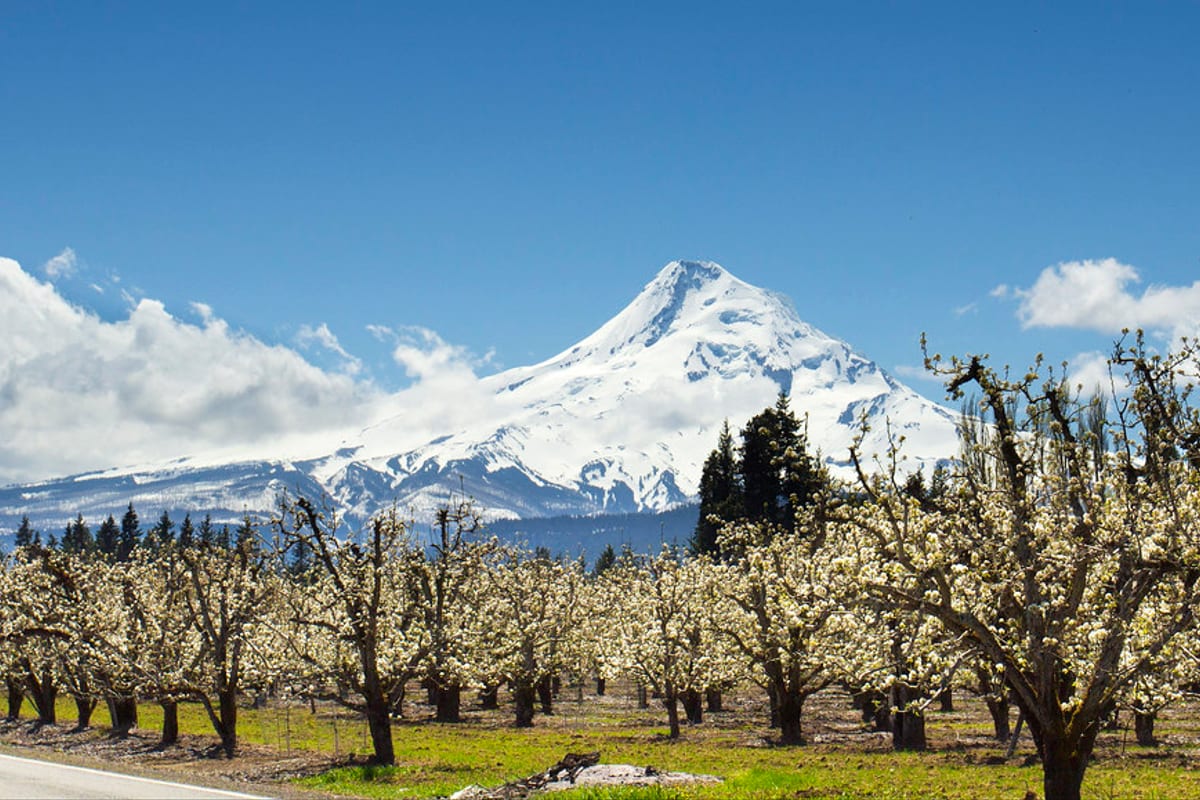
In contrast, many fruit trees gain the most benefit from pruning in late winter or very early spring—just before bud break. At this stage, the tree's structure is clearly visible, and strategic cuts can encourage better air circulation, sunlight penetration, and ultimately, a more productive harvest.
Then there are species like oak, where timing is critical not just for growth, but for disease prevention. Oaks should generally be pruned in the colder months, typically from late fall through winter. Pruning during warmer periods can attract beetles that spread oak wilt, a potentially devastating fungal disease. By trimming when these insects are inactive, the risk is significantly reduced.
Summer pruning, while less common, has its place as well. It is often used to control growth, remove dead or damaged branches, and correct structural issues without triggering the vigorous regrowth that spring pruning can cause. For ornamental trees and shrubs, light summer pruning can help maintain shape and appearance without compromising overall health.
Ultimately, proper pruning is about working with a tree's natural cycles rather than against them. Understanding when a tree is most receptive—or most vulnerable—can mean the difference between encouraging long-term vitality and inadvertently causing stress.
Frequently asked
What are the benefits of summer tree pruning? Sponsored
Summer pruning is used to control growth, remove dead or damaged branches, and correct structural issues without triggering vigorous regrowth that spring pruning causes. For ornamental trees and shrubs, light summer pruning helps maintain shape and appearance without compromising overall health.
Tri-County Tree
What's the ideal pruning time for fruit trees? Sponsored
Fruit trees benefit most from pruning in late winter or very early spring, just before bud break. At this stage, the tree's structure is clearly visible, allowing strategic cuts that encourage better air circulation, sunlight penetration, and ultimately a more productive harvest.
Tri-County Tree
Why is oak tree pruning timing critical for disease prevention? Sponsored
Oaks should be pruned in colder months from late fall through winter. Pruning during warmer periods attracts beetles that spread oak wilt, a potentially devastating fungal disease. Trimming when insects are inactive significantly reduces the risk of disease transmission.
Tri-County Tree
Why is oak tree pruning timing critical? Sponsored
Oaks should generally be pruned in the colder months, typically from late fall through winter. Pruning during warmer periods can attract beetles that spread oak wilt, a potentially devastating fungal disease. By trimming when these insects are inactive, the risk is significantly reduced.
Tri-County Tree
When is the best time to prune maple trees? Sponsored
The best time to prune maple trees is in late summer or during full dormancy in winter. Avoid pruning in early spring when sap begins to flow, as cuts can bleed excessively and create openings for pests or disease.
Tri-County Tree
Why is it dangerous to prune oak trees in spring? Sponsored
Pruning oak trees during warmer periods can attract beetles that spread oak wilt, a potentially devastating fungal disease. Oaks should be pruned in the colder months, typically from late fall through winter, when beetles are inactive and the risk is significantly reduced.
Tri-County Tree