Standby vs. Portable Generators: How to Choose for an Eastern Ontario Winter
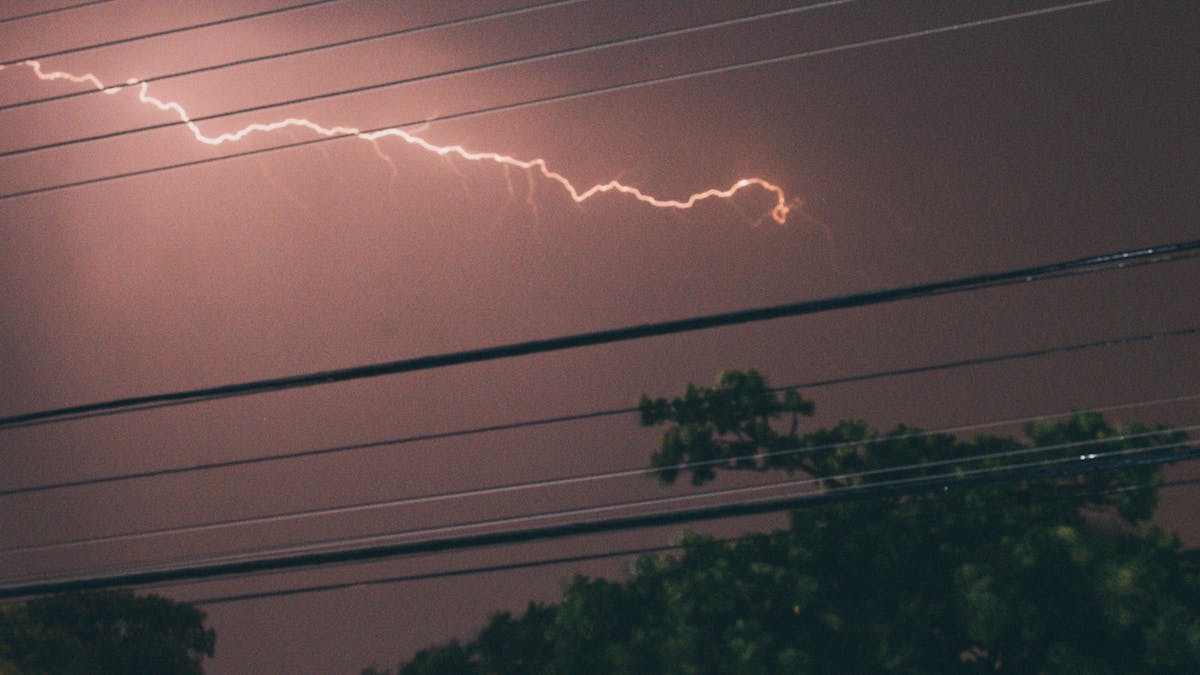
Power failures are a fact of winter in Eastern Ontario. When the lights go out, priorities are simple: keep the heat on, keep water moving (sump or well), keep food cold, and keep phones and internet alive. There are two practical ways to cover those bases at home: a permanently installed standby generator or a portable unit tied into your panel with a proper transfer switch. Both work, but they suit different budgets, outage patterns, and tolerance for hassle.
How They Work
Standby: Fixed outside on a pad, piped to natural gas or propane. An automatic transfer switch senses an outage and starts the unit within seconds. No cords, no manual start.
Portable: Roll-out unit you start manually (pull-start or electric). Runs on gasoline or dual-fuel gasoline/propane. Safest setup uses a manual transfer switch or panel interlock installed by a licensed electrician.
What They Power
Standby: Often the whole home or a priority circuit list — furnace/boiler, sump or well pump, fridge, key outlets, internet.
Portable: Essentials only — furnace/boiler blower, fridge/freezer, sump/well pump, a few lights, router.
Pros and Cons
Standby pros: Automatic, reliable in bad weather, no refuelling runs, quieter, safer. Weekly self-tests keep them ready. Good for frequent or long outages, finished basements, wells, medical devices, or work-from-home. Standby cons: Higher upfront cost. Professional installation and permits required. Needs clearances from openings and snow drifts. Plan for annual maintenance and fuel supply.
Portable pros: Much lower cost, flexible, and you can store it the rest of the year or use it for other things. Portable cons: You must be home to set it up, refuel it, and manage cords. Never run it indoors or in a garage — carbon monoxide risk. Store fresh fuel with stabilizer.
Sizing for Eastern Ontario Winters
If you heat with gas, propane, or oil, powering the furnace/boiler blower is the priority. Electric baseboards or heat pumps draw much more; size up accordingly. Keep sump and well pumps covered to prevent flooding. On propane, use a large enough tank for cold-weather vaporization and keep it topped up; natural gas is continuous.
Simple formula: Size (kW) ≈ [(sum of running watts × 1.25) + largest motor surge] ÷ 1,000. For most homes that points to a 3–7 kW portable for essentials or a 10–22 kW standby for automatic near-whole-home coverage. A licensed electrician can confirm the numbers and help get you set up so you have peace of mind before the snow starts flying.
Frequently asked
What important safety considerations should I know about generators in winter? Sponsored
According to Aaron Briden, key winter safety tips include: Never run portable generators indoors or in garages (carbon monoxide risk). Standby units need a cold-weather kit and clear venting to prevent snow drifts. Use fresh stabilized fuel in portables and store it safely. If using propane for standby units, ensure a large enough tank for cold-weather vaporization and keep it topped up. Always use a code-compliant transfer switch or interlock—never back-feed power into the grid. A licensed electrician can help ensure safe installation.
Briden Electrical Services
How do I determine the right size generator for my home? Sponsored
Master Electrician Aaron Briden recommends making a list of essential items you need to power (furnace, fridge, sump pump, lights, router) and looking up their running watts plus startup surge (usually 2-3x running watts). Use this formula: Size (kW) ≈ [(sum of running watts × 1.25) + largest motor surge] ÷ 1,000. For most homes, this means 3-7 kW for essentials with a portable unit, or 10-22 kW for a standby with near whole-home coverage. Always consult a licensed electrician to confirm sizing and safe installation.
Briden Electrical Services
What is the main difference between standby and portable generators? Sponsored
The main difference is that standby generators are permanently installed outside and automatically activate during an outage via a transfer switch, while portable generators must be manually started and rolled out when needed. Standby generators typically power the whole home or priority circuits, are quieter and more reliable, but cost more upfront. Portable generators are less expensive, flexible, and can be stored when not in use, but require manual setup and management.
Briden Electrical Services